
Weekend Warriors Over 40: Training Hard Without Breaking Down
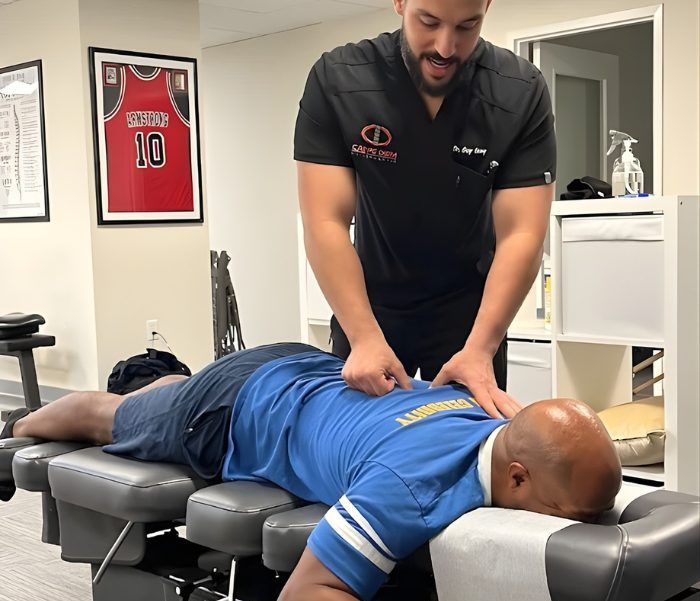
Living an active lifestyle after you hit 40 is one of the best things you can do for your mind and body. It doesn’t matter if it’s going for a long run, playing golf with your friends on Sundays, lifting weights in the gym, or getting into a recreational sport like pickleball, anything that regularly trains both your aerobic abilities and strength is great for overall longevity.
However, if you spend the majority of your work week sitting at a desk and then you push as hard as you can on Saturday and Sunday, your body is likely not ready for the high demand. This is what is meant by “weekend warrior.”
The goal here is not to quit doing the things you like to do, its to make sure your body is warmed up and ready to keep doing them.
Demands of Training After 40
Age does not inherently mean training becomes more difficult, but recovery can require more time and mobility, and flexibility needs to be better maintained. Things like previous injuries, hours of desk work, and jobs that require repetitive movements may also make discomfort worse.
Weekend warriors have the tendency to do too much too soon. The key here is to being intentional by listening to your body and making sure to increase exercise intensity or weight by paying attention to factors like maintaining proper form and allowing your body sufficient time to adapt.
Warm Up
Properly warming up is important to get your muscles ready for training.
5-10 minutes is usually enough time for moderate activity. Light movement that involves the muscles and joints required for the workout are beneficial to prime them. For example, if you plan on training legs, movements like bodyweight squats or lunges will help to get those muscles warmed up. Similarly, if you plan on going for a 5k run, starting with a light jog will help to warm up as well.
The key is to begin activity with a lighter weight or lower intensity and gradually increasing.
Strength and Mobility
Strength training is vital as we age. Adding stress to the joints is what is going to keep your bones strong and prevent them from becoming frail and easily broken when we get to later stages of life.
Mobility is important as well, not only to keep the joints strong, but to keep them moving well. Stiffness in the hips, shoulders, and neck become increasingly common as we age and over time can lead to chronic pain and compensation.
Recovery
No matter what stage of life you are in, the body needs sufficient time and a proper environment to recover following any form of training. Sleep, nourishment, hydration, and a day or two between training sessions should all be incorporated into your fitness goals.
On your off days, light activities like stretching, walking, or mobility work can help to keep the blood flowing and promote optimal recovery.
Do Not Ignore Pain
Muscle soreness following a workout is common in most cases, however noticing any pain that gets worse over time or is sharp in nature is not normal and should not be overlooked.
Modify movement as needed if there is any pain, weakness, or numbness and tingling.
Pushing through the pain now can lead to more time off later. Listen to what your body is telling you.
Staying Active During the Week
It is very common in our society for busy professionals to leave all their workouts for the weekend. However, adding a few activities throughout the week can take the burden off getting it all done in just a few short days. It also lessens the possibility for burnout and injury.
For example, going for 10-minute walks after meals, 30-minute strength workouts, or stretching can help prepare the body for heavier and more intense sessions.
Chiropractic for the Weekend Warriors
Chiropractic is a good addition to help maintain a healthy spine as we age. Getting adjusted regularly is helpful in maintaining joint mobility and allowing the nervous system to function properly to improve things like balance and proprioception.
Chiropractors perform thorough exams to evaluate how our spines are moving and provide feedback on things like poor posture and altered movement patterns. Depending on individual needs, a care plan may also consist of corrective exercise, stretching, spinal decompression, or soft tissue work.
At Carpe Diem Chiropractic, our main goal is helping you move and feel better so you can get back to doing what you enjoy doing.