
Rotator Cuff Injury & Recovery In Fort Lauderdale, FL

- Rotator Cuff Injury Treatment In Fort Lauderdale
- What Is A Rotator Cuff Injury?
- What Rotator Cuff Injury Treatment Can Help With
- When Shoulder Symptoms Need Urgent Or Specialist Care
- Related Conditions We Evaluate With Rotator Cuff Pain
- Who May Be A Good Fit For Rotator Cuff Care
- How We Evaluate And Treat Rotator Cuff Injuries
- What To Expect At Your First Rotator Cuff Evaluation
- What Patients Say About Their Recovery Experience
- Related Services For Rotator Cuff Recovery
- Rotator Cuff Care For Fort Lauderdale, Plantation, And Broward County
- Meet The Team Supporting Your Rotator Cuff Recovery
- Sources And Clinical References
- Frequently Asked Questions About Rotator Cuff Injury Treatment
Rotator Cuff Injury Treatment In Fort Lauderdale
Rotator cuff problems can make it hard to reach overhead, serve, swim, lift, or sleep on your side. At Carpe Diem Chiropractic, care begins with a detailed history and examination to identify whether the cuff is involved, how significant the injury appears, and whether conservative care is appropriate. When the findings suggest a traumatic tear, a dislocation or fracture, or symptoms coming from outside the shoulder, imaging or medical referral comes first.

What Is A Rotator Cuff Injury?
The rotator cuff is a group of four muscles and tendons that keep the ball of the upper arm centered in the shoulder socket and help lift and rotate the arm. Rotator cuff injuries range from tendinopathy, an overload-related irritation of the tendon, to partial and full-thickness tears. Many tears develop gradually with age and repetitive use, and research shows that some people have tears without any pain. Others happen suddenly, such as during a fall on an outstretched arm or while lifting something heavy.
Rotator cuff injury treatment is not a single technique. It begins with screening for injuries that need medical or surgical care, then evaluates shoulder motion, strength, shoulder blade control, and the neck. Shoulder pain can also come from the neck, the joint on top of the shoulder, a stiff joint capsule, or occasionally from the heart or other organs, so the examination checks for those sources before a plan is set.
The plan depends on the type and cause of the injury, your age and activity level, your symptoms, and the demands of your sport or work. Some patients need imaging or an orthopedic opinion before conservative care begins.

What Rotator Cuff Injury Treatment Can Help With
Pain Management For Daily Tasks And Sleep. Care focuses on reducing the pain that limits reaching, dressing, and sleeping on the affected side. The first step is confirming the pain is coming from the shoulder and not the neck or another source.
Restored Overhead Range Of Motion. Rotator cuff problems often limit reaching overhead and behind the back. Motion is restored gradually through guided movement rather than forcing a painful shoulder.
Rebuilt Cuff And Shoulder Blade Strength. Progressive exercise for the rotator cuff and the muscles that control the shoulder blade is the most supported conservative approach for rotator cuff tendinopathy and many non-traumatic tears.
Return To Sport And Work. Return to serving, swimming, throwing, lifting, or overhead work is staged by strength, range, and next-day response rather than by a fixed number of weeks.
Monitoring For Changes. Shoulder symptoms can evolve. Follow-up allows us to track strength, range, and pain patterns so referral can occur if weakness progresses or recovery stalls.
Clear Plan And Coverage Review. Florida allows direct access to chiropractic care, so you do not need a physician referral to book, although some insurance plans set their own requirements. We review your coverage and expected out-of-pocket costs with you before care begins, and payment plan options are available.

When Shoulder Symptoms Need Urgent Or Specialist Care
Call 911 if shoulder or arm pain comes with chest pressure, shortness of breath, sweating, nausea, or jaw pain. Seek prompt medical care if you suddenly cannot lift your arm after a fall or heavy lift, if the shoulder looks deformed, or if you have severe pain after a dislocation or major impact, as these may signal a traumatic tear, dislocation, or fracture. Traumatic rotator cuff tears in active adults often benefit from early orthopedic evaluation. Urgent care is also needed for a hot, red, swollen shoulder with fever, progressive arm weakness or numbness, or shoulder pain with unexplained weight loss or constant night pain. Chiropractic care should not delay assessment for any of these concerns.

Related Conditions We Evaluate With Rotator Cuff Pain
Shoulder pain can involve the rotator cuff, surrounding joints, the neck, or the elbow. We evaluate the full symptom pattern and recommend care only when the findings are appropriate for conservative treatment.
Shoulder Pain Treatment
Learn More
Arthritis Treatment
Learn More
Elbow Pain Treatment
Learn More
Arthritis Treatment
Learn More
Chronic Pain Treatment
Learn MoreWho May Be A Good Fit For Rotator Cuff Care
Rotator cuff care may be considered for tennis and pickleball players, swimmers, lifters, people who work overhead, and active adults who do not show urgent red flags and are dealing with shoulder pain, weakness, or limited reach. Symptoms often build gradually, although some begin after a specific lift or movement.
An evaluation may be appropriate when:
- You have pain at the outer upper arm when reaching overhead, behind your back, or into the back seat.
- Your shoulder hurts when serving, swimming, throwing, or pressing overhead.
- Night pain when lying on the affected side is not improving.
- You have been told you have rotator cuff tendinopathy or a non-traumatic tear and want a conservative plan.
- You have been cleared after rotator cuff surgery and need a structured return to activity within your surgeon’s protocol.
We may refer you for imaging, an orthopedic consultation, or another provider when the symptoms or history fall outside chiropractic scope.

How We Evaluate And Treat Rotator Cuff Injuries
Rotator cuff care begins with determining whether the cuff is the source of pain and whether the injury is suitable for conservative care. Your chiropractor reviews how symptoms began, any injury or fall, previous shoulder problems, and the activities now affected before performing a targeted examination. Digital X-rays may be taken on site when clinically relevant, and outside MRI or ultrasound may be recommended for suspected tears. The resulting plan combines progressive strengthening with supporting hands-on care, or referral when needed.
Injury History And Safety Screening
We ask whether the pain came on gradually or after a fall, lift, or dislocation, whether you can lift your arm, and whether you have neck symptoms, night pain, or general health changes. These details help separate tendinopathy or a degenerative tear from a traumatic injury that needs orthopedic review.
Orthopedic, Neurological, And Movement Examination
We assess active and passive shoulder range, rotator cuff strength, painful movement patterns, shoulder blade control, thoracic spine mobility, and a neck and nerve screen. Testing is adapted to your comfort and the irritability of the shoulder.
Imaging Or Referral When Needed
X-rays can show calcium deposits, arthritis, and bony changes but do not show the tendon itself. When the examination suggests a full-thickness tear, especially after an injury or with marked weakness, we refer for MRI or ultrasound and orthopedic assessment.
Individualized Conservative Care
Progressive rotator cuff and shoulder blade strengthening is the core of the plan, advanced according to pain and next-day response. Depending on the findings, supporting care may include chiropractic adjustment of the upper back, Active Release Technique, instrument-assisted soft tissue work, dry needling, kinesiotaping, laser therapy, or shockwave therapy for calcific tendinitis when appropriate.
Progress Reviews
Follow-up visits track range, strength, sleep, and tolerance of sport or work tasks. Progressive weakness, a lack of expected progress, or new symptoms may change the plan or lead to referral.

What To Expect At Your First Rotator Cuff Evaluation
Your first appointment runs about an hour. Wear a top that allows access to the shoulder and shoulder blade, and bring any imaging reports, surgical notes or rehabilitation protocols, and a list of the activities that bring on your pain. Do not delay urgent medical care to schedule this visit.
Step 1: Intake And Injury History. You describe how and when symptoms began, any fall or lift involved, previous shoulder or neck problems, and the activities now affected.
Step 2: Orthopedic, Neurological, And Movement Examination. Your chiropractor completes an examination suited to your shoulder’s irritability, including range of motion, cuff strength testing, shoulder blade control, and a neck screen.
Step 3: Imaging Or Referral Decision. Digital X-rays may be taken on site when clinically appropriate. If the findings point to a traumatic or full-thickness tear, or another serious concern, we refer you for further imaging or orthopedic assessment before conservative care begins.
Step 4: Findings And Care Plan. We review the findings with you, explain whether conservative care is appropriate, and outline a plan with a realistic timeline and return-to-activity criteria.
Step 5: Treatment And Progress Tracking. When care is appropriate, most patients begin treatment the same day. Follow-up visits progress your strengthening plan and check whether you are moving forward.

What Patients Say About Their Recovery Experience


Related Services For Rotator Cuff Recovery
Rotator cuff recovery often draws on more than one service because pain, stiffness, and strength gaps all need attention. We add supporting services only when the examination shows they fit the injury and stage of recovery.

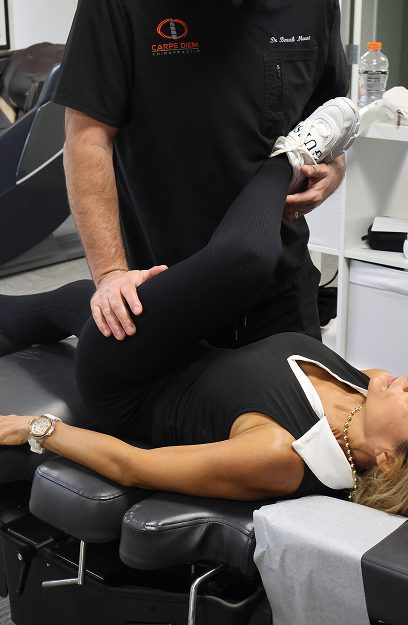
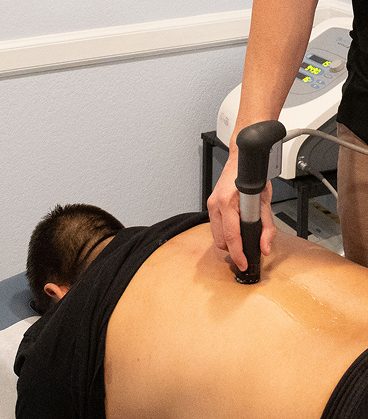
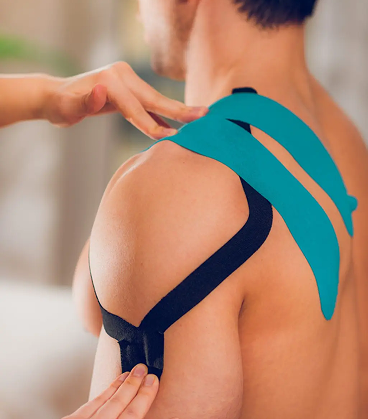
Rotator Cuff Care For Fort Lauderdale, Plantation, And Broward County
Carpe Diem Chiropractic evaluates rotator cuff and shoulder injuries at our Fort Lauderdale office on SE 17th Street and our Plantation office on NW 70th Avenue. We see tennis and pickleball players, swimmers, lifters, and active adults from Fort Lauderdale, Plantation, Sunrise, Davie, Wilton Manors, Lauderhill, and communities across Broward County.
Meet The Team Supporting Your Rotator Cuff Recovery



Sources And Clinical References
These references support the page’s rotator cuff definition, red flag guidance, exercise-based management, and referral criteria. Clinical decisions remain specific to the patient and the individual injury.
- Source: American Academy of Orthopaedic Surgeons, OrthoInfo: Rotator Cuff Tears. Supports: Describes rotator cuff anatomy, degenerative and acute tears, common symptoms, and when surgery is considered.
- Source: American Academy of Orthopaedic Surgeons: Management of Rotator Cuff Injuries Evidence-Based Clinical Practice Guideline. Supports: Supports structured evaluation and the role of exercise-based and surgical management for different rotator cuff presentations.
- Source: Littlewood C, Ashton J, Chance-Larsen K, May S, Sturrock B. Exercise for rotator cuff tendinopathy: a systematic review. Physiotherapy. 2012;98(2):101-109. Supports: Supports progressive exercise as a core treatment for rotator cuff tendinopathy.
- Source: Kukkonen J, Joukainen A, Lehtinen J, et al. Treatment of non-traumatic rotator cuff tears: a randomised controlled trial with one-year clinical results. Bone & Joint Journal. 2014;96-B(1):75-81. Supports: Supports conservative, exercise-based care as an initial option for non-traumatic rotator cuff tears.
- Source: Minagawa H, Yamamoto N, Abe H, et al. Prevalence of symptomatic and asymptomatic rotator cuff tears in the general population: from mass-screening in one village. Journal of Orthopaedics. 2013;10(1):8-12. Supports: Supports the finding that many rotator cuff tears occur without symptoms.
- Source: Bannuru RR, Flavin NE, Vaysbrot E, Harvey W, McAlindon T. High-energy extracorporeal shock-wave therapy for treating chronic calcific tendinitis of the shoulder: a systematic review. Annals of Internal Medicine. 2014;160(8):542-549. Supports: Supports shockwave therapy as an option for chronic calcific tendinitis of the shoulder.
Evidence limit: These sources do not establish that every rotator cuff injury is appropriate for chiropractic care or that conservative care avoids the need for surgery. Recovery time and outcomes vary with the type of injury, its cause, and the individual.
Frequently Asked Questions About Rotator Cuff Injury Treatment
Common signs include pain at the outer upper arm when reaching overhead or behind the back, weakness lifting the arm, and pain lying on the affected side. These symptoms overlap with other shoulder and neck problems, so an examination is needed to identify the source.
Lying on the affected shoulder compresses irritated tissue, and the shoulder has less muscle support when relaxed. Persistent night pain is common with rotator cuff problems, but constant night pain with other health changes should be evaluated medically.
Not always. MRI or ultrasound may be recommended after a significant injury, when there is marked weakness, when recovery is slower than expected, or when the result would change your treatment.
Yes. Neck problems can refer pain to the shoulder and upper arm, sometimes with tingling or numbness. The examination includes a neck and nerve screen to help identify where the pain is coming from.
Book A Rotator Cuff Evaluation In Fort Lauderdale
A careful evaluation can help determine whether your shoulder symptoms are appropriate for conservative care or need another medical pathway. Book an evaluation with Carpe Diem Chiropractic to identify the source of your pain, assess your strength and movement, and receive a clear plan for returning to the activities you enjoy.
Book An Evaluation