
Sports & Active Recovery in Fort Lauderdale, FL

- What Sports and Active Recovery Care Actually Does
- What Sports and Active Recovery Care Is
- What This Care Can Help You Do
- Who This is a Good Fit For
- Conditions and Body Regions We Commonly Treat
- Our Treatment Approach: a Phased Care Ladder
- How We Think about Evidence and Where We Draw the Line
- Meet the Team
- Reviews
- Insurance, Billing, and What a Visit Includes
- References
- Frequently Asked Questions
What Sports and Active Recovery Care Actually Does
Sports and active recovery care is hands-on treatment combined with guided movement, built to help active people recover from injury, train through soreness, and keep moving without pain. It addresses the soft tissue, joints, and movement habits behind overuse problems like tendinopathy, low back strain, shoulder impingement, and plantar fasciitis. At Carpe Diem Chiropractic, care is drug-free and personalized, pairing manual treatment with rehab you continue outside the office so results hold. Seek urgent medical care instead of booking if you cannot bear weight, have numbness or weakness that is spreading, changes in bowel or bladder control, an obvious deformity, calf pain with swelling and warmth, or a head injury with confusion or vomiting.

What Sports and Active Recovery Care Is
Sports and active recovery care sits at the intersection of injury treatment and performance maintenance. It is for people who are training, competing, or simply staying active, and who want to keep doing that safely rather than being told to rest indefinitely.
A typical plan has four working parts. First, an assessment that looks at how you move, not just where it hurts, because the site of pain is often not the source of the problem. Second, hands-on treatment to reduce sensitivity and restore motion, which may include chiropractic adjustment, Active Release Technique, dry needling, instrument-assisted soft tissue mobilization, shockwave therapy, or massage therapy. Third, loading and strengthening work that rebuilds the tissue’s capacity to handle your sport. Fourth, a plan for what you do between visits, including training modifications, warm-up strategy, and workload adjustments.
Two misconceptions are worth clearing up.
It is not just an adjustment. Manual therapy on its own tends to give short-term relief. The reason care works over the long run is the active component, the loading and strengthening that changes what the tissue can tolerate. If you only get treated and never progress your training, the problem tends to return.
Active recovery is not the same as rest. Complete rest lets symptoms settle, then leaves you weaker than you started. Active recovery means finding the level of movement your body can handle right now and building from there. In most non-emergency musculoskeletal cases, staying appropriately active produces better outcomes than prolonged inactivity.

What This Care Can Help You Do
Reduce pain and manage flare-ups. Bring down the intensity of an acute episode and give you a plan for the next time symptoms spike, so a flare does not turn into weeks off.
Restore mobility and flexibility. Address the restricted hip, the stiff thoracic spine, or the shoulder that will not get overhead cleanly, using manual work and stretch therapy alongside targeted mobility drills.
Build strength and capacity. Progress loading so tendon and muscle can handle your sport’s demands. This is the part that changes whether the injury comes back, and it is where therapeutic exercise does most of the work.
Recover from injury. Structured rehabilitation for sprains, strains, tendinopathy, and post-operative cases, coordinated with your surgeon or physician where relevant.
Return to sport or work. Clear, staged criteria for getting back, based on what you can actually do rather than how many weeks have passed.
Prevent recurrence and support performance. Identify the workload spikes, movement patterns, and strength gaps that set up the injury in the first place, then address them.

Who This is a Good Fit For
You may be a fit if any of these sound familiar:
- Your low back tightens or catches during deadlifts, squats, or after a long round of golf
- You get shoulder pain reaching overhead, serving, or swimming, and it is not improving on its own
- You have knee pain on the outside of the joint that shows up predictably at the same point in a run
- A hamstring keeps tightening or re-straining every time you get back to sprinting
- Post-workout soreness has stopped resolving in the usual two to three days
- Heel pain is worst with your first steps in the morning
- You have elbow pain from tennis, pickleball, or racquet sports that keeps coming back
- You have plateaued in rehabilitation elsewhere and want a second opinion
- You are cleared post-surgery and need a structured path back to your sport
- You want to stay ahead of injury rather than react to it
Not sure whether your issue fits? Start with a complimentary consultation. We will review your clinical history, run orthopedic and neurological testing, and tell you honestly whether we can help. If chiropractic is not the right fit for you, we say so and refer you to someone who is.

Conditions and Body Regions We Commonly Treat
Spine and low back. Lumbar strain, sciatica, chronic low back pain, and thoracic stiffness that limits rotation and overhead reach.
Neck and head. Neck pain and cervicogenic headaches that come on during or after training, plus posture-related strain from desk work between sessions.
Shoulder. Rotator cuff irritation, impingement-type pain, AC joint irritation, and overhead athletes who have lost clean range. See shoulder pain treatment.
Elbow, wrist, and hand. Tennis elbow and golfer’s elbow, grip-related pain, and wrist pain from loading or repetitive work.
Hip and pelvis. Hip flexor and glute-related pain, sacroiliac joint irritation, and hip pain that shows up after cycling or long runs.
Knee. IT band-related lateral knee pain, patellar tendon pain, and general knee pain linked to running or jumping volume.
Foot and ankle. Plantar fasciitis, Achilles tendinopathy, and recovery from ankle sprains where stability has not fully returned.
Common use-cases. Recreational and competitive athletes, weekend warriors, youth and high school athletes, post-operative rehabilitation, chronic pain, workplace and repetitive strain, and auto injury recovery.

Helping You Stay Active in Fort Lauderdale
From pickleball at The Fort to morning runs through Hugh Taylor Birch State Park, staying active is part of life in Fort Lauderdale. At Carpe Diem Chiropractic, we assess your symptoms, movement and activity goals to develop a care plan that supports your return to the activities you enjoy.
Pickleball and Tennis
Whether you play pickleball at The Fort in Snyder Park or practice your serve at Jimmy Evert Tennis Center in Holiday Park, discomfort can interrupt your time on the court. If tennis elbow, shoulder pain or foot and ankle pain is affecting your game, we can assess your symptoms and discuss your options. Your care plan may include hands-on treatment, strengthening and guidance on gradually returning to play.
Golf
A round at Plantation Preserve Golf Course & Club should be something you look forward to. If lower back pain or stiffness is making your swing uncomfortable, we assess the movements that bring on your symptoms and consider the demands of your game. Your recovery plan may include therapeutic exercise and mobility work to help you build toward a more comfortable return to the course.
Running
Whether you enjoy the paths at Hugh Taylor Birch State Park or a run along Fort Lauderdale’s beachfront, recurring discomfort can make it difficult to maintain your routine. If knee pain or symptoms of plantar fasciitis are affecting your runs, we look at your symptoms alongside changes in training, strength and mobility. From there, we help you understand your care options and plan an appropriate progression back to activity.

Our Treatment Approach: a Phased Care Ladder
Care is structured in phases rather than delivered as the same session repeated. You may move through phases quickly or spend longer in one, and phases often overlap. What matters is that treatment is matched to where your tissue and your symptoms actually are.
Phase 1: Calm Irritation and Reduce Sensitivity
The goal is to bring symptoms down enough that you can move. This may include chiropractic adjustment, soft tissue work such as ART or IASTM, dry needling for trigger points, cupping, or laser therapy. Alongside that, we adjust your training rather than stopping it, finding what you can do without provoking symptoms. This phase is usually short. It is a starting point, not a treatment plan.
Phase 2: Restore Motion and Control
Once irritation settles, the focus shifts to getting range back and teaching the area to control that range. That means mobility work, stretch therapy, and early corrective exercise emphasizing position and control under light load. For joints that have been guarding for weeks, this is often where the biggest functional change happens.
Phase 3: Build Strength and Capacity
This is the phase that determines whether the problem stays fixed. Tendon and muscle adapt to progressive load, so we systematically increase the demand your tissue handles, using therapeutic exercise and, where appropriate, shockwave therapy for stubborn tendon cases. Expect this phase to take longer than the previous two. Tissue remodeling runs on a biological timeline that treatment cannot shortcut.
Phase 4: Return to Function and Prevent Recurrence
Getting back to your sport is a staged process with criteria, not a date on the calendar. We look at strength symmetry, tolerance of sport-specific movement, and how you respond the day after. Then we address what set the injury up originally, whether that is a training volume spike, a strength gap, a mobility restriction, or a recovery habit. For many patients this ends with a maintenance plan they run themselves, checking in as needed.
Every plan is personalized. A masters swimmer with a shoulder, a 45-year-old lifter with a low back, and a high school soccer player with a hamstring all move through the same four phases, but almost nothing about the specifics is the same. Your history, training schedule, prior injuries, and goals determine what treatment you actually get.

How We Think about Evidence and Where We Draw the Line
We practice evidence-informed care. Clinical decisions are guided by current research, combined with clinical experience and your own goals and preferences. Where the evidence is strong, we follow it. Where it is mixed, we say so.
What we prioritize. Education, so you understand what is happening in your body and why the plan looks the way it does. Active rehabilitation, because loading and strengthening drive durable change. Measured progress, so we can tell whether care is working rather than guessing.
What we avoid. We do not guarantee outcomes. We do not tell patients they need a fixed number of visits before we have assessed them. We do not use one-size-fits-all protocols, and we do not claim that chiropractic care treats conditions outside the musculoskeletal scope.
When we refer out. If your presentation suggests a fracture, a complete tendon or ligament rupture, a possible deep vein thrombosis, an infection, an inflammatory arthritis, or a neurological problem that needs specialist assessment, we refer you. The same applies to progressive numbness or weakness, changes in bowel or bladder control, unexplained weight loss, fever alongside joint or back pain, or severe night pain unrelated to position or activity. If you are not progressing as expected, we reassess and refer rather than continuing the same care. Imaging is not routine. We recommend it when the result would change your management.
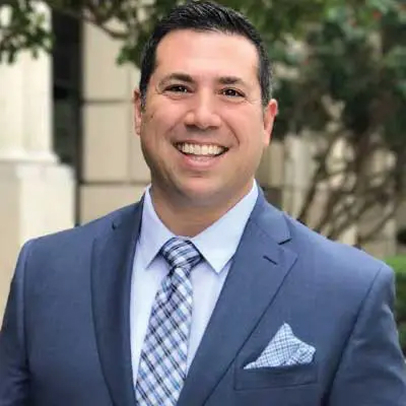
Meet the Carpe Diem Chiropractic Team



What Our Patients Are Saying


Insurance, Billing, and What a Visit Includes
Florida is a direct access state for chiropractic care, which means you do not need a physician’s referral to book an appointment. Some insurance plans carry their own referral or authorization requirements, so it is worth checking your specific policy before your first visit.
Scheduling. Book through our appointment form or call (954) 368-5483. Same week appointments are often available. Completing the intake form before you arrive saves time at your first visit.
Insurance and payment. We review your coverage and out of pocket costs with you before care begins, so you know what you are committing to. Bring your insurance card and photo ID to your first appointment.
Auto injury. If you were injured in an auto accident, tell us when you book. Florida’s personal injury protection rules require treatment to begin within a limited window.
What is included per visit. Your first appointment runs about an hour and covers consultation, orthopedic and neurological testing, range of motion assessment, and digital x-rays when clinically appropriate, all on site. We then review the findings with you and lay out a plan with a realistic timeline. Most patients begin treatment the same day. Follow-up visits combine hands-on treatment with progression of your rehabilitation plan and a check on whether you are moving forward.
References
- Qaseem A, Wilt TJ, McLean RM, Forciea MA. Noninvasive treatments for acute, subacute, and chronic low back pain: a clinical practice guideline from the American College of Physicians. Annals of Internal Medicine. 2017;166(7):514-530.
- Foster NE, Anema JR, Cherkin D, et al. Prevention and treatment of low back pain: evidence, challenges, and promising directions. The Lancet. 2018;391(10137):2368-2383.
- Ardern CL, Glasgow P, Schneiders A, et al. 2016 Consensus statement on return to sport from the First World Congress in Sports Physical Therapy, Bern. British Journal of Sports Medicine. 2016;50(14):853-864.
- Korakakis V, Whiteley R, Tzavara A, Malliaropoulos N. The effectiveness of extracorporeal shockwave therapy in common lower limb conditions: a systematic review including quantification of patient-rated pain reduction. British Journal of Sports Medicine. 2018;52(6):387-407.
- Gattie E, Cleland JA, Snodgrass S. The effectiveness of trigger point dry needling for musculoskeletal conditions by physical therapists: a systematic review and meta-analysis. Journal of Orthopaedic & Sports Physical Therapy. 2017;47(3):133-149.
- Dupuy O, Douzi W, Theurot D, Bosquet L, Dugué B. An evidence-based approach for choosing post-exercise recovery techniques to reduce markers of muscle damage, soreness, fatigue, and inflammation: a systematic review with meta-analysis. Frontiers in Physiology. 2018;9:403.
Reviewed by: Dr. Carly Lutz, DC
Role: Doctor of Chiropractic, certified in Physical Therapy
License/registration: Florida Board of Chiropractic Medicine, License #CH13341
Reviewed for: clinical accuracy, patient safety, scope-of-practice accuracy, and service appropriateness
Last reviewed: September 2026 | Next review scheduled: September 2027
Medical disclaimer: This page is for educational purposes only and does not replace an in-person evaluation, diagnosis, or treatment plan from a licensed healthcare professional. If you have severe, worsening, or urgent symptoms, seek appropriate medical care.
Fort Lauderdale: 1650 SE 17th Street, Suite 103 | (954) 368-5483
Plantation: 300 NW 70th Avenue, Suite 100 | (954) 368-5483
Frequently Asked Questions
A standard visit often centers on the adjustment. Sports and active recovery care treats the adjustment as one input among several. A session may combine spinal or extremity adjusting with Active Release Technique, instrument-assisted soft tissue work, dry needling, shockwave therapy for stubborn tendon cases, or cupping, and then adds the loading and rehabilitation work that rebuilds capacity for your specific sport. The difference is the goal. We are not just trying to make today feel better. We are trying to get you back to sprinting, serving, lifting, or running your usual mileage without the problem returning.
Almost never completely. Full rest settles symptoms and then leaves you deconditioned, which is a poor trade for an athlete. We look for the level of work your body tolerates right now and build from there, which usually means modifying volume, range, tempo, or load rather than stopping. A runner with plantar fasciitis may keep cycling and lifting. A lifter with a cranky low back may keep training with changed setup and reduced range. There are exceptions, including suspected fractures and complete tendon or ligament ruptures, and we tell you clearly when rest is the right call.
For most active adults this is not an either or decision, and the overlap between the two is larger than most people expect. Our care combines manual treatment with therapeutic exercise and rehabilitation, and all of our chiropractors are certified in physical therapy, so both sides of that work happen in the same building. What matters more than the license on the wall is whether your plan includes progressive loading and a return to sport standard. If your case calls for a longer course of supervised rehabilitation, post-operative protocol work, or care we are not the right provider for, we say so and refer you.
Some do, and the honest answer is that they help with different things. Techniques like massage, compression, and contrast or cold water immersion have reasonable evidence for reducing soreness and perceived fatigue after hard training, which matters when you have another session or a competition coming quickly. What they do not do is build capacity. None of them make a tendon stronger or close a strength gap, so they are a supplement to your recovery rather than the plan itself. There is also a timing consideration worth knowing. Routinely icing immediately after strength training may blunt some of the adaptation you are training for, so we look at where you are in your season before recommending it. In the office, massage therapy, stretch therapy, cupping, and whole body vibration are used the same way, as tools that help you tolerate the work, not as substitutes for it.
Yes, and for many cases we prefer it. If you are post-operative, we work within the protocol your surgeon set. If you are already with a physical therapist, we position our care so it complements rather than duplicates theirs. If you have a coach or trainer, the training modifications we make are far more likely to hold when they know what we are asking for. Tell us who is involved at your first visit.
Most of it should not. Dry needling, soft tissue work, and shockwave therapy can be uncomfortable during the session, and you may feel sore for a day afterward in the way you would after a hard training session. That is normal and not a setback. We generally want you moving the next day, though we may ask you to shift a heavy session or a speed workout. Tell us what is on your training schedule and we will plan treatment around it.
Yes. Surgical clearance means the repair has healed enough to load. It does not mean you are ready to compete. There is usually a gap between clearance and readiness that involves rebuilding strength, restoring confidence in the limb, and reintroducing sport-specific movement in stages. We build that bridge, working within your surgeon’s protocol and referring back when something in your recovery does not look right.
Ordinary training soreness usually resolves in two to three days. Soreness that lingers past that, shows up at the same predictable point in every session, or is getting worse week over week is a signal that the tissue’s capacity has fallen behind what you are asking of it. That is worth evaluating rather than pushing through. Some presentations call for urgent medical care instead of an appointment with us, including inability to bear weight, numbness or weakness that is spreading, an obvious deformity, calf pain with swelling and warmth, or a head injury with confusion or vomiting.