
Kinesiotaping in Fort Lauderdale, FL

Kinesio Taping Therapy in Fort Lauderdale
Find relief, enhance stability, and move with confidence through professional Kinesio Taping, serving communities across Plantation & Fort Lauderdale, FL. Whether you’re recovering from an injury, managing joint pain, or improving athletic performance — our skilled therapists are here to help.
Request to Schedule
Benefits of Kinesiotaping

Performance Optimization

Natural Pain Relief

Improved Recovery

Enhanced Mobility & Flexibility

Injury Prevention
Expert Kinesio Taping Therapy for Pain Relief
At our Plantation and Fort Lauderdale clinics, Kinesio Taping goes beyond basic support — it’s about stabilizing joints, improving circulation, and helping your body heal naturally. Our licensed therapists use advanced kinesiology taping techniques to reduce pain, prevent strain, and enhance movement during recovery.
Every condition is unique, which is why we customize each taping session to your body, goals, and activity level. Whether you’re recovering from an injury, managing joint discomfort, or looking to boost athletic performance, our mission is simple: help you move better, feel stronger, and stay active without limits.
We use Kinesio Taping to effectively support muscles, joints, and recovery for a range of conditions.

What Our Patients Are Saying


Kinesio Taping: Benefits & Conditions it Treats
When combined with chiropractic care, Kinesio Taping provides targeted support to enhance healing, stability, and movement. Chiropractic adjustments restore spinal alignment and nervous system balance, while kinesiology tape supports muscles and joints between visits. Together, they reduce pain, prevent re-injury, and promote faster recovery and lasting performance.
- Comprehensive Approach: Chiropractic care at Carpe Diem Chiropractic focuses on spinal alignment and nervous system balance, while Kinesio Taping provides targeted muscle and joint support. Together, they deliver a holistic, evidence-based approach to pain relief, injury prevention, and recovery.
- Faster Recovery: The combination of chiropractic adjustments and kinesiology taping accelerates the body’s natural healing response. Patients often experience reduced inflammation, quicker pain relief, and improved stability after sports or soft tissue injuries.
- Enhanced Stability: Kinesio Taping supports proper movement patterns by reducing strain on muscles and joints. When paired with chiropractic care, it helps maintain spinal alignment, improve posture, and prevent re-injury during daily activity.
- Improved Performance: By combining chiropractic adjustments with kinesiology taping therapy, patients gain better mobility, body control, and endurance—allowing them to move confidently, recover faster, and perform at their best.

How We Treat Using Kinesio Taping
Kinesiotaping, also known as kinesiology tape or KT tape, is an elastic therapeutic tape applied to various areas of the body to support muscles and joints and promote healing. The tape mimics the elasticity of human skin, allowing for natural movement while providing targeted support. At Carpe Diem Chiropractic, kinesiotaping reduces pain, decreases inflammation, and enhances recovery by improving circulation and providing stability. Whether recovering from an injury or looking to prevent future strain, kinesiotaping offers a non-invasive, flexible solution for supporting your body’s healing process.
Kinesiotaping effectively manages chronic pain by providing gentle support to muscles and joints without restricting movement. It helps reduce inflammation, improve circulation, and relieve pressure on sensitive areas, making it ideal for individuals suffering from conditions like arthritis, tendonitis, or lower back pain. At Carpe Diem Chiropractic, we use kinesiotaping to complement other treatments, allowing patients to move more comfortably while promoting long-term healing and pain relief.
Request to ScheduleHow Kinesio Taping Supports Athletic Performance and Recovery
For athletes, Kinesio Taping is a game-changer for injury prevention, performance, and recovery. The elastic kinesiology tape supports muscles and joints without restricting movement, improving stability and reducing strain during training or competition. After intense activity, Kinesio Taping helps minimize inflammation, relieve soreness, and promote faster recovery by enhancing circulation. Whether you’re recovering from a sports injury or aiming to boost performance, Kinesio Taping at Carpe Diem Chiropractic helps athletes stay strong, stable, and ready to perform.

Treatments Related to Kinesio Taping Therapy
At our Plantation and Fort Lauderdale clinics, kinesiotaping is supported by a range of complementary treatments designed to improve joint stability, enhance movement, and support your body during recovery. These additional therapies work alongside kinesiotaping to reduce pain, prevent strain, and improve overall function.
Every patient’s condition is different, which is why we pair kinesiotaping with targeted treatments that address muscle tightness, inflammation, movement limitations, and athletic performance needs. Whether you’re healing from an injury, managing joint discomfort, or looking for added support during activity, our integrated approach ensures you receive the right combination of care.
We offer a full selection of services related to kinesiotaping that enhance results, support recovery, and help you move with confidence, including:
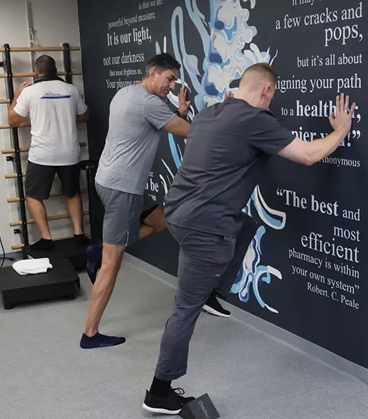
Physical Therapy
Focuses on mobility, reducing pain, and restoring function through targeted exercises, manual...
Learn More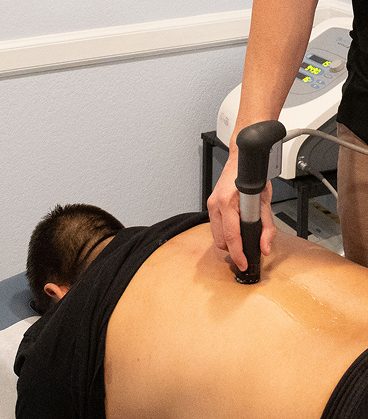
Shockwave Therapy
A non-invasive treatment that uses high-energy sound waves to stimulate healing and reduce pain...
Learn More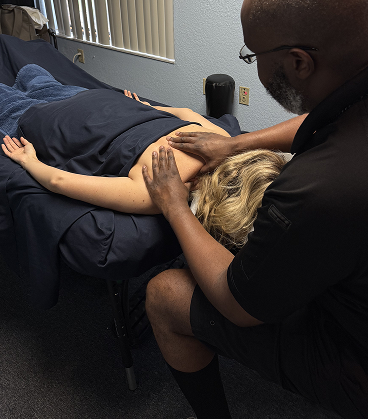
Massage Therapy
A technique that manipulates soft tissues, including muscles, tendons, and ligaments, to relieve pain, reduce stress, and promote...
Learn More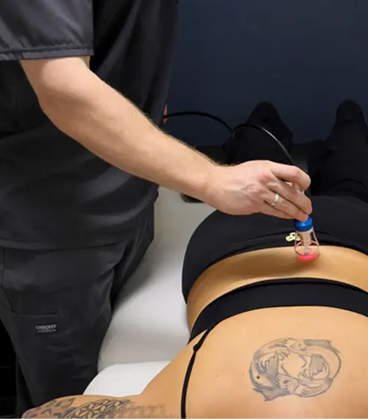
Dry Needling
Whether you’re treating chronic pain, muscle tightness, or sports injuries — our skilled therapists are here to help.
Learn More
Active Release Technique
hands-on soft tissue treatment targets muscle tension, scar tissue, and restricted movement to reduce pain and improve flexibility.
Learn More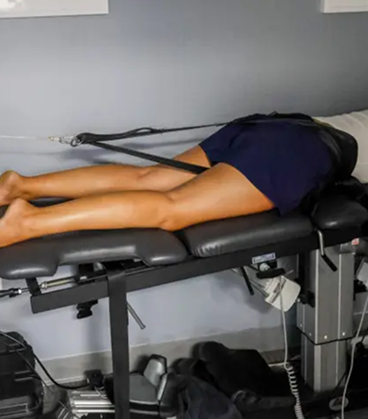
Spinal Decompression
A non-invasive therapy designed to relieve pressure on the spine and alleviate pain.
Learn More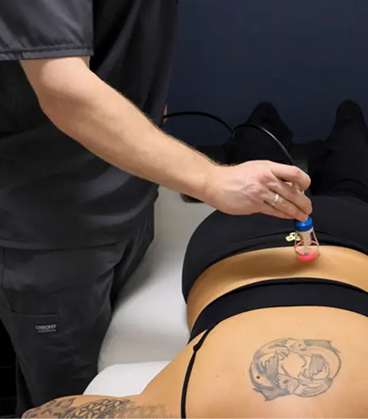
Laser Therapy
A cutting-edge, non-invasive treatment that uses focused light energy to promote healing and...
Learn More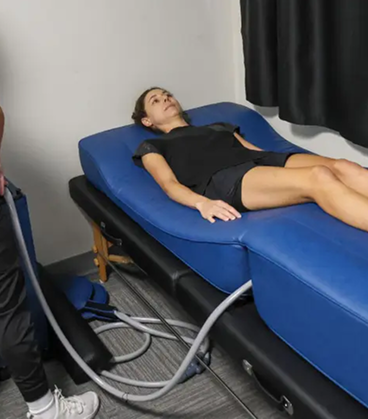
PEMF Therapy
A non-invasive treatment that uses electromagnetic fields to stimulate the body’s natural...
Learn More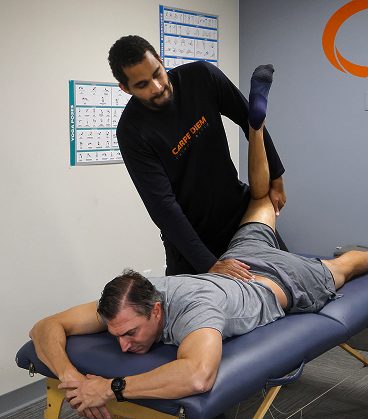
Stretch Therapy
Improves flexibility, enhancing mobility, and reducing muscle tension through guided stretching...
Learn More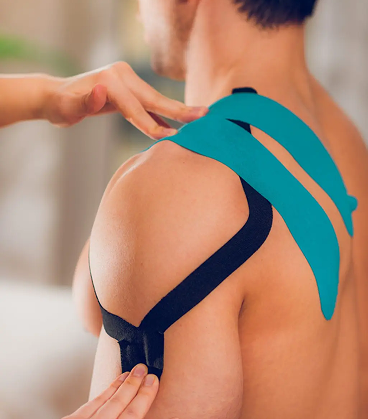
Kinesiotaping
Stabilizes joints, improving circulation, and helping your body heal naturally.
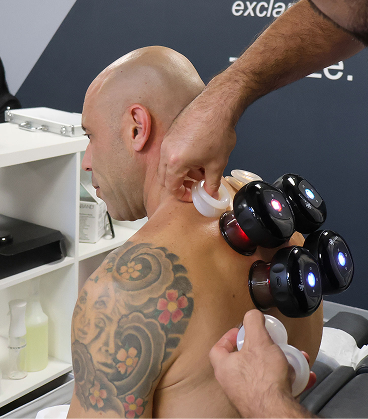
Cupping
Improves circulation, releasing muscle tension, and supporting your body’s natural healing process.
Learn MoreMeet the Team




Frequently Asked Questions
Kinesiotaping involves applying an elastic therapeutic tape that mimics the skin’s elasticity, allowing for a full range of motion while offering support to muscles and joints. It reduces pain, improves circulation, and promotes healing by stabilizing the affected area without restricting movement.
Yes, kinesiotaping is a safe and non-invasive therapy when applied by a trained professional. The tape is hypoallergenic and designed to be gentle on the skin, making it suitable for most patients, including those with sensitive skin.
Kinesiology tape can stay on for several days, typically 3-5 days. It is waterproof and can be worn during activities such as showering, swimming, or exercising while continuing to provide support and therapeutic benefits.
Yes, kinesiotaping can benefit people of all ages, including children and seniors. It’s beneficial for those dealing with muscle or joint issues and can be tailored to meet each individual’s specific needs.
No, a referral is not required for kinesiotaping. You can schedule an appointment directly with Carpe Diem Chiropractic to discuss how kinesiotaping can help your condition.
Yes, kinesiotaping is highly effective in reducing muscle pain and inflammation. It works by improving circulation, reducing swelling, and relieving pressure on the affected area, helping to speed up the body’s natural healing process.
Yes, kinesiotaping can help improve posture by supporting the muscles and joints responsible for maintaining proper alignment. It gently guides the body into better posture without restricting movement.
A typical kinesiotaping session lasts between 15 to 30 minutes, depending on the area being treated and the complexity of the condition.
Kinesiotaping is generally not uncomfortable. The tape is designed to mimic the elasticity of human skin, allowing for natural movement without restriction. Most patients find it comfortable to wear during daily activities.
It’s best to wear loose, comfortable clothing that allows access to the treated area. Depending on the location, you may need to expose your shoulders, back, or legs for proper tape application.
Yes, kinesiotaping is widely used to support recovery from sports injuries. It provides targeted support to injured muscles and joints, helps reduce inflammation, and improves mobility, allowing athletes to recover faster while maintaining activity.
Unlike traditional athletic taping, which restricts movement, kinesiotaping allows a full range of motion while providing support. The elastic nature of kinesiotape ensures that muscles and joints remain flexible while still receiving therapeutic benefits.
Yes, kinesiotaping can help alleviate pain and discomfort associated with chronic conditions such as arthritis by improving joint stability and reducing inflammation, allowing for better mobility.
Kinesiotaping complements chiropractic care by supporting the adjustments made during your chiropractic session. It helps stabilize the affected areas, reduces strain, and enhances the body’s natural healing process, prolonging the benefits of chiropractic treatment.
Yes, kinesiotaping can be safe during pregnancy when used for conditions like back pain or swelling. However, it is essential to consult with your therapist to ensure it’s appropriate for your specific needs.
Kinesiotaping promotes long-term healing by improving circulation, reducing muscle fatigue, and providing continuous support to injured or strained areas. This helps maintain progress between therapy sessions and supports the body’s natural recovery process.
Yes, kinesiotaping can help relieve sciatica by reducing pressure on the sciatic nerve, improving circulation, and supporting muscles in the lower back and legs, which helps reduce pain and inflammation.
The frequency of kinesiotaping sessions depends on your condition and treatment goals. Your therapist will recommend a schedule based on your needs, from weekly sessions to as-needed visits.
Kinesiotaping is generally very safe, though in rare cases, individuals may experience skin irritation from the adhesive. If you have sensitive skin, inform your therapist so they can monitor your response to the tape.
Book Online Today For Your Complimentary Consult
Let’s start with a complementary consultation with a chiropractor to review your clinical history to see if we can help you. If not, we will let you know of someone who can.
Request to Schedule Today